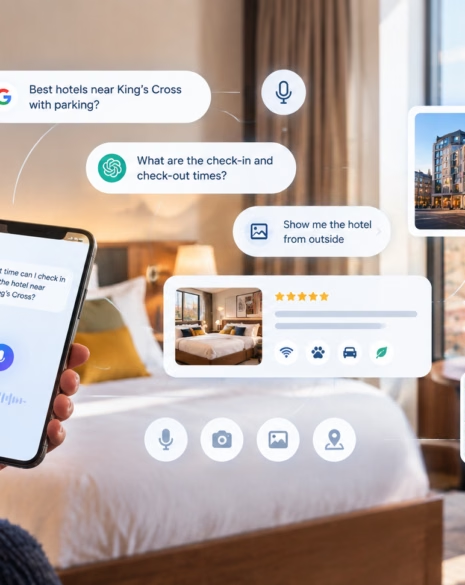
Comparison content has evolved from a helpful feature to a vital strategy for hospitality brands. In today’s landscape, where travellers rely heavily on search engines and smart assistants, hotels that offer clear, structured comparisons gain a competitive edge—not just with human guests, but also with AI agents.
This guide explores how to craft hotel type and room comparison content that serves mid-funnel search intent and helps both people and AI make confident decisions.
Why comparison content matters in the hotel booking journey
Most hotel guests don’t book during their first website visit. Instead, they browse, shortlist, compare, and return before making a decision. That’s where comparison pages come in. They play a pivotal role in guiding guests from curiosity to conversion.
Comparison content speaks to questions like:
- “What’s the difference between a deluxe and executive room?”
- “Which hotel is better suited for business or leisure?”
- “What facilities best match my travel needs?”
If your website doesn’t provide these answers, prospective guests will look elsewhere.
Designing structured comparisons AI understands
To engage both human users and AI agents (like those powering Google’s Search Generative Experience), your comparisons must be structured, easy to scan, and semantically clear.
Key elements to include:
- Feature comparison tables
- Clear headings and consistent room type labels
- Pros and cons when appropriate
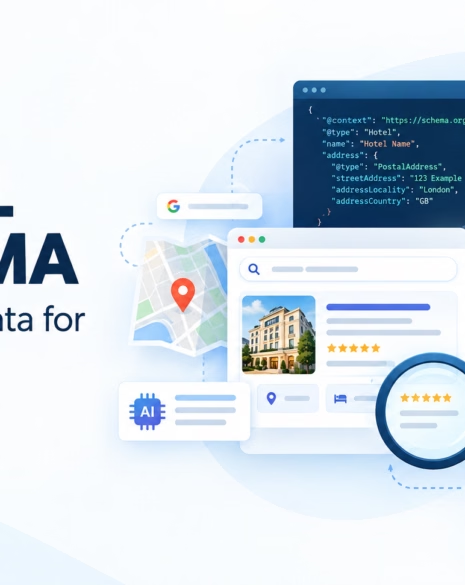
- Schema markup: FAQPage, Product, and HotelRoom
Adding structured data improves accessibility and boosts your chances of appearing in featured snippets or being cited in AI-generated summaries.
External Source: Learn more about structured data for hotels here: https://developers.google.com/search/docs/appearance/structured-data/hotel
Creating guest-focused comparison pages
Effective comparison content empowers guests to choose based on their own preferences. Here’s how to create content that delivers:
Focus on real guest priorities
Guests base their decisions on what genuinely matters to them—whether that’s bed size, workspace availability, lighting, or access to on-site facilities. Avoid vague or generic descriptions. Highlight meaningful differences.
Use natural, conversational language
Rather than simply listing features, explain why they matter. Instead of saying “desk and chair included,” try: “a spacious desk ideal for business travellers or study sessions.”
This approach combines function with experience-led storytelling.
Link to relevant rooms and facility pages
Comparison content should guide readers deeper into the decision-making journey. Incorporate internal links naturally:
- Link “Executive Room” to your executive room detail page
- Link “sustainable hotel in Euston” to your sustainability or location page
- Highlight the full Facilities overview where relevant
Table: Room type comparison example
| Feature | Classic Room | Executive Room |
| Bed Type | Double | King |
| Desk Space | Compact | Full-size workstation |
| View | Courtyard or street | Elevated city views |
| Ideal For | Short leisure stays | Business or longer trips |
| Extras | Tea/coffee, WiFi | Smart TV, Bathrobe, Eco toiletries |
Add CTAs below tables such as: Explore more in our Executive Rooms section.
Answer common guest questions with FAQs
A brief FAQ section captures additional search traffic and supports AI indexing. Use schema (FAQPage) to enhance visibility.
Examples:
Q: What’s the difference between classic and executive rooms?
A: Executive rooms are larger, feature king-sized beds, a full workstation, and premium amenities. Classic rooms are compact and ideal for shorter stays.
Q: Which room is best for business travellers?
A: The Executive rooms at the Euston location offer spacious desks, smart technology, and close proximity to key transport links—making them ideal for business guests.
Conclusion: Help guests choose with confidence
Creating high-quality hotel comparison content supports great user experience and smart SEO. By offering structured, helpful information, you reduce friction, build trust, and increase conversions.
Whether comparing room types, facilities, or locations, keep the differences clear, relevant, and easy to explore.