As third-party cookies disappear and data privacy regulations evolve, first-party data has become one of the most valuable assets a hotel can have. Beyond its traditional role in CRM and email campaigns, this consented, guest-specific data now plays a pivotal role in shaping modern hotel SEO.
For hotels aiming to personalise experiences, improve search visibility, and future-proof their digital presence, harnessing the power of first-party data is no longer optional, it is essential.
Why first-party data matters more than ever
With external data sources diminishing and consumers demanding greater control over their information, first-party data has stepped into the spotlight. This data is collected directly from your guests and includes:
- Booking history
- On-site browsing behaviour (e.g. time spent on specific room or dining pages)
- Email engagement
- Preferences indicated through loyalty programmes
Because this information is specific to your property and obtained with permission, it helps build trust while providing valuable signals for personalisation and content targeting.
First-party data and personalised SEO experiences
Search engines are increasingly driven by user intent and personalisation. By aligning website content with guest behaviours and interests, hotels can create:
- Dynamic content blocks tailored to past stays or preferences
- Targeted landing pages optimised for return visitors
- Keyword strategies based on behavioural clusters (e.g. “spa weekend near Knightsbridge” versus “eco meeting space in London”)
Feeding the AI: How personal data supports search visibility
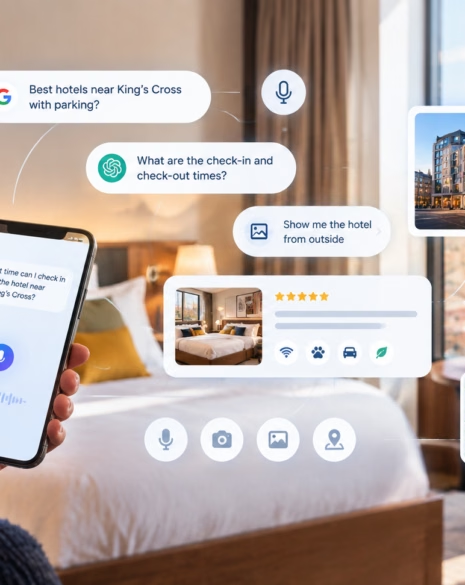
AI-generated search results are reshaping how guests discover and interact with hotel content. To remain visible in this new landscape, content must be highly relevant and structured.
First-party data helps hotels:
- Tag and categorise content accurately
- Optimise page titles and meta descriptions using real guest queries
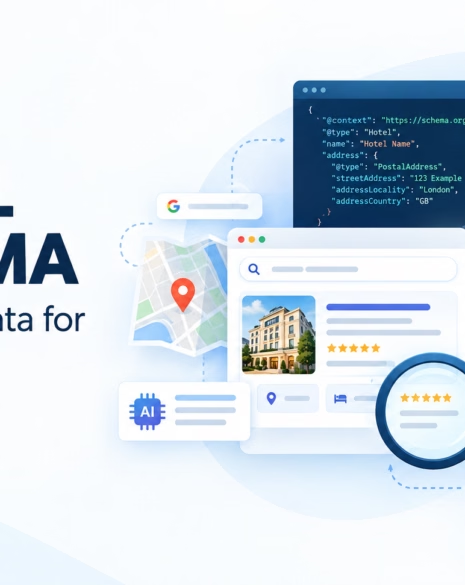
- Create schema elements such as offers or amenityFeature that reflect actual guest demand
For example, guests searching for a “sustainable hotel with EV charging near Kings Cross” are more likely to discover a hotel if metadata and structured content echo these interests as recorded in the CRM.
Authoritative source on schema implementation: https://developers.google.com/search/docs/appearance/structured-data/hotel
Connecting CRM systems to SEO strategy
First-party data often remains siloed within email marketing or guest services teams. But when SEO and content teams gain access, the results are powerful:
- Content becomes more intent-aligned
- Segmentation improves on landing pages
- Personalisation feels natural, not forced
Use internal linking to support both user journeys and search engine crawlability:
- Direct email traffic to the boutique rooms page with localised content
- Highlight the hotel’s Sustainability Mission when referencing eco-conscious values
- Guide visitors to relevant Offers & Packages based on their interests
Privacy-first personalisation: Getting it right
Using guest data requires care. With GDPR and similar regulations in place, it is crucial to:
- Obtain explicit consent
- Allow guests to update or manage their data preferences
- Avoid assumptions or intrusive targeting
Using a past booking to suggest a spa break is helpful. Pushing unrelated leisure offers to business travellers is not. Respectful, value-driven personalisation builds long-term trust.
Conclusion: First-party data is your hotel’s SEO edge
From keyword insights to AI visibility and personalised content, first-party data connects your CRM with your SEO strategy. It bridges the gap between guest behaviour and online discovery.
Hotels that unify their data, SEO, and marketing teams are not only more competitive—they are delivering more relevant, engaging, and trusted digital experiences.