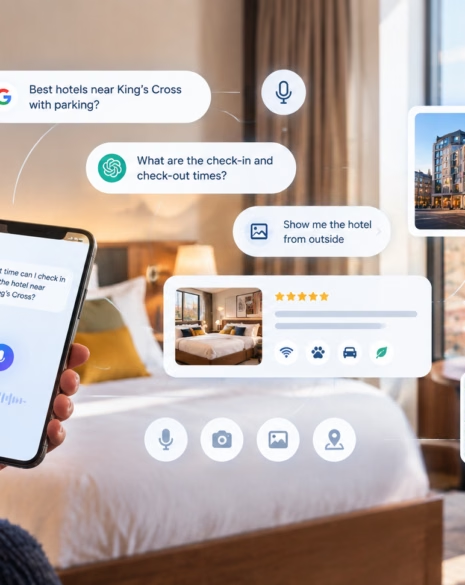
In today’s search environment, hotels need more than well-written content to stand out. With Google’s AI-generated overviews, voice-led queries, and zero-click results transforming how guests search and book, unique data is emerging as one of the most valuable tools in a hotel’s SEO strategy.
Original insights — from booking patterns to guest preferences — are not just internal assets. They can power differentiated content that earns visibility, builds authority, and fuels search engine and AI citations. In this guide, we explore how your hotel can use proprietary data to gain a competitive advantage in both traditional and AI-powered search.
Why Unique Data Matters in Hospitality SEO
Search engines are designed to reward websites that offer relevance, authority, and originality. While most hotel websites publish similar destination content, Google’s Natural Language Processing (NLP) and Search Generative Experience (SGE) models are increasingly favouring websites that deliver distinctive, first-party data.
Using unique data in your content can:
- Establish topical authority in your market
- Earn citations and backlinks from external sources
- Improve your visibility in AI-generated summaries and featured snippets
The more structured and reliable your data, the more search engines and AI models can use it to surface your brand in high-value discovery moments.
Proprietary Hotel Data You Can Leverage
Your hotel already holds unique insights that most competitors can’t replicate. Here’s how to identify and activate them for SEO and AI visibility.
Booking Patterns and Occupancy Trends
Your PMS and booking engine reveal patterns such as:
- Peak demand dates
- Average stay duration
- Booking lead times by guest type
Use this data to create content like:
“Best Time to Book a Hotel in Camden” or
“How Far in Advance London Guests Book Weekend Stays”
This content supports commercial and informational search intent while positioning your hotel as a data-led expert.
Guest Feedback and Survey Insights
Guest surveys and reviews provide meaningful insight into preferences, pain points, and trends.
Turn this into thought-led content such as:
“Top 5 Features Business Travellers Prioritise” or
“Sustainability Matters: What 1,000 Guests Told Us”
These articles can link naturally to pages such as Our Sustainability Journey or Guest Experience Insights, building internal authority.
Seasonal Pricing and Demand Data
Without revealing exact rates, you can use historical pricing data to support articles like:
“Average Hotel Prices Near Hampstead by Season” or
“When to Get the Best Deals on London Stays”
This supports long-tail discovery and answers queries users are already searching for.
Onsite Guest Behaviour
Your loyalty or CRM data can highlight:
- Most booked room types
- Preferred add-ons or upgrades
- Repeat booking patterns
Content like “Most Popular Room Features According to Guest Data” offers storytelling opportunities and strengthens your relevance for intent-based searches.
How AI and Google Use Structured Content
AI-powered search results are transforming how travellers receive information. Google’s generative AI models rely on structured, verifiable sources when compiling overviews and direct answers.
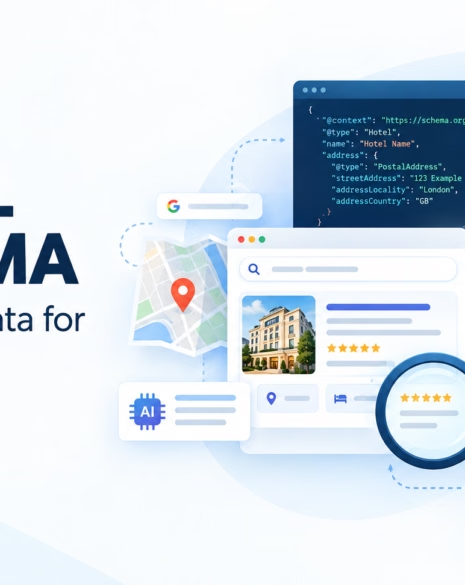
By integrating schema such as Dataset, FAQPage, or BlogPosting, you give Google clear signals about:
- What your data is about
- Where it came from
- Why it’s trustworthy
This enhances your chances of being cited in AI-generated answers, especially when your data supports niche or location-specific queries.
Pages such as Insights & Reports or Booking Trends are ideal locations to publish structured, data-led content.
Creating SEO Content from Unique Hotel Data
Proprietary data should be integrated into a content ecosystem, not isolated in a single blog. Here’s how to bring it to life:
- FAQs with structure: Use actual guest queries and feedback to build structured FAQs. Add FAQPage schema to improve visibility.
- Data-backed landing pages: Include guest sentiment or booking patterns in seasonal and event-focused landing pages.
- Insight-led blogs: Create regular features on guest trends, preferences, or sustainability. These can build topical clusters and support long-term search visibility.
- Thought leadership: Publish original data in downloadable reports or visualised insights to drive backlinks and brand equity.
Always cite the source of your data — whether it’s survey results, booking platform analytics, or internal CRM exports — to strengthen EEAT signals.
Real-World Results from Hotels Using Unique Data
The value of unique content is measurable. Here’s what hotels have achieved by activating proprietary data:
- A Manchester property saw a 42% uplift in organic traffic after launching quarterly booking insights on their blog.
- A central London hotel gained a featured snippet for “best time to book hotel near Hampstead” after structuring its FAQs with internal data.
- A sustainability-led group earned national media coverage and backlinks after publishing survey results on green guest preferences.
These results stem not from guesswork but from giving both users and search engines something they can’t find elsewhere.
Conclusion: Data Is Your Most Powerful SEO Asset
In a world where content saturation and AI summarisation are the norm, proprietary data is your hotel’s strategic edge. It helps you stand apart in search results, builds trust with potential guests, and signals authority to search engines.
Rather than repeating generic destination content, use what only you know — booking behaviour, survey data, guest insights — to drive visibility, rankings, and bookings.
Ready to elevate your content with unique insights?
Start with a data audit. Identify what proprietary insights your hotel already holds, then build structured, user-focused content that delivers real value — for both your guests and Google.